
AI Creative Lab
Explore what AI can actually do for your brand.
Creative exploration, visual directions, production tests and workflow recommendations — with an honest read on where AI helps and where it does not.
For teams evaluating AI
Every brand and agency I speak to has already made an impressive image. Very few have turned one into a campaign that survived a brand review, a format matrix and a legal check.
The six stages below are what sits between those two states.
Idea, message, visual territory. The part no model can brief itself on.
What should we create?
Fast, wide, deliberately unfinished. Exploration is cheap now — that is the actual gift.
What becomes possible?
Reference systems, locked parameters, repeatable setups. One good frame is luck; two hundred is a system.
How do we achieve consistency?
Products, proportions, typography, motion, anything that has to be exactly right. This gets built, not generated.
What needs to be built beyond AI?
Compositing, retouching, colour, cleanup. Where generated material becomes brand material.
How do we control every detail?
Formats, versions, resolutions, delivery. A campaign is not one image — it is two hundred files.
How does it become campaign-ready?
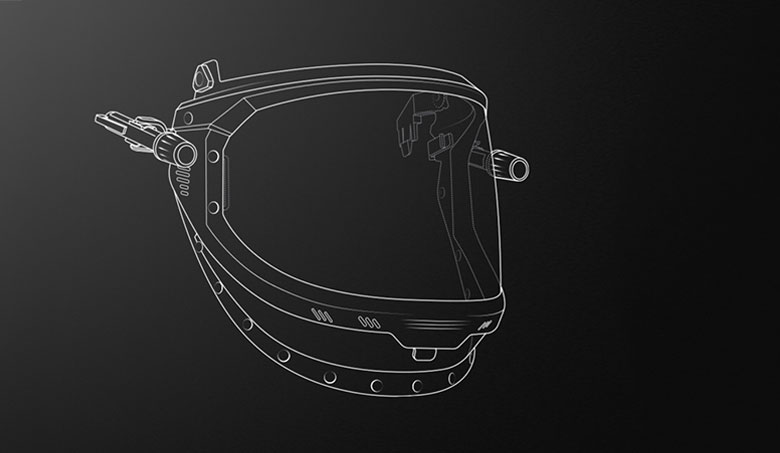
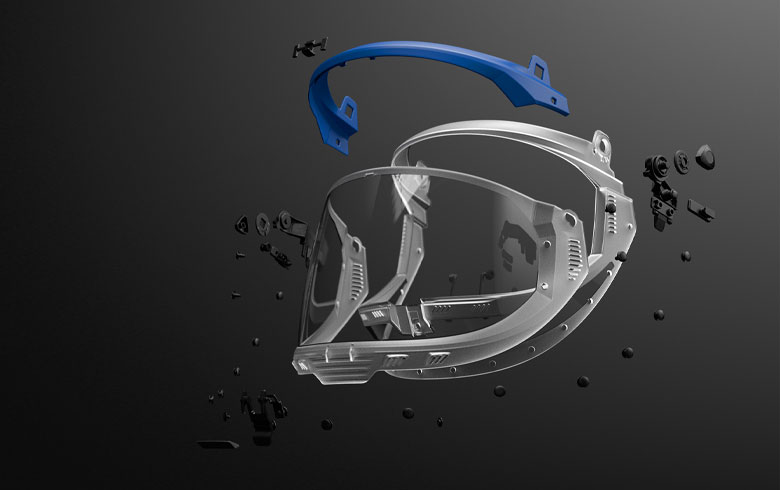
Construction on the left, finished production on the right. The distance between them is the same whether the starting point was generated or modelled — and it is where campaigns are won or quietly abandoned.
An AI artist produces images. A production director is accountable for what happens after the image is approved: consistency across forty assets, a product that is exactly the product, type that is set rather than hallucinated, a grade that unifies a campaign, and files that a media agency can actually run.
That accountability is not a tooling question. It comes from thirty years of delivering campaigns where being nearly right was never an option.
Each one is a defined scope with a defined output. The first three exist so a brand can find out what is actually possible before committing a campaign budget to it.
Explore what AI can actually do for your brand.
Creative exploration, visual directions, production tests and workflow recommendations — with an honest read on where AI helps and where it does not.
For teams evaluating AI
Turn an idea into a production-ready visual concept.
Key visuals, visual language, AI and CGI tests, motion tests and a campaign prototype you can put in front of a decision maker.
For pitches and pre-production
From briefing to final assets.
Creative direction, AI generation, CGI, motion, compositing and final production. One responsibility from first idea to delivered files.
For live campaigns
Build a visual language that can scale.
Consistent, reproducible AI-driven brand imagery and the production workflows behind it — documented so your team can run them.
For brands producing continuously
AI Creative Production for brands and agencies.
Hands-on workshops for marketing, brand and creative teams. Real briefs, real tools, real output — not a slide deck about the future.
For in-house teams and agencies
Campaign, AI experiment, CGI production — or simply a question about what AI could realistically make possible for your brand.